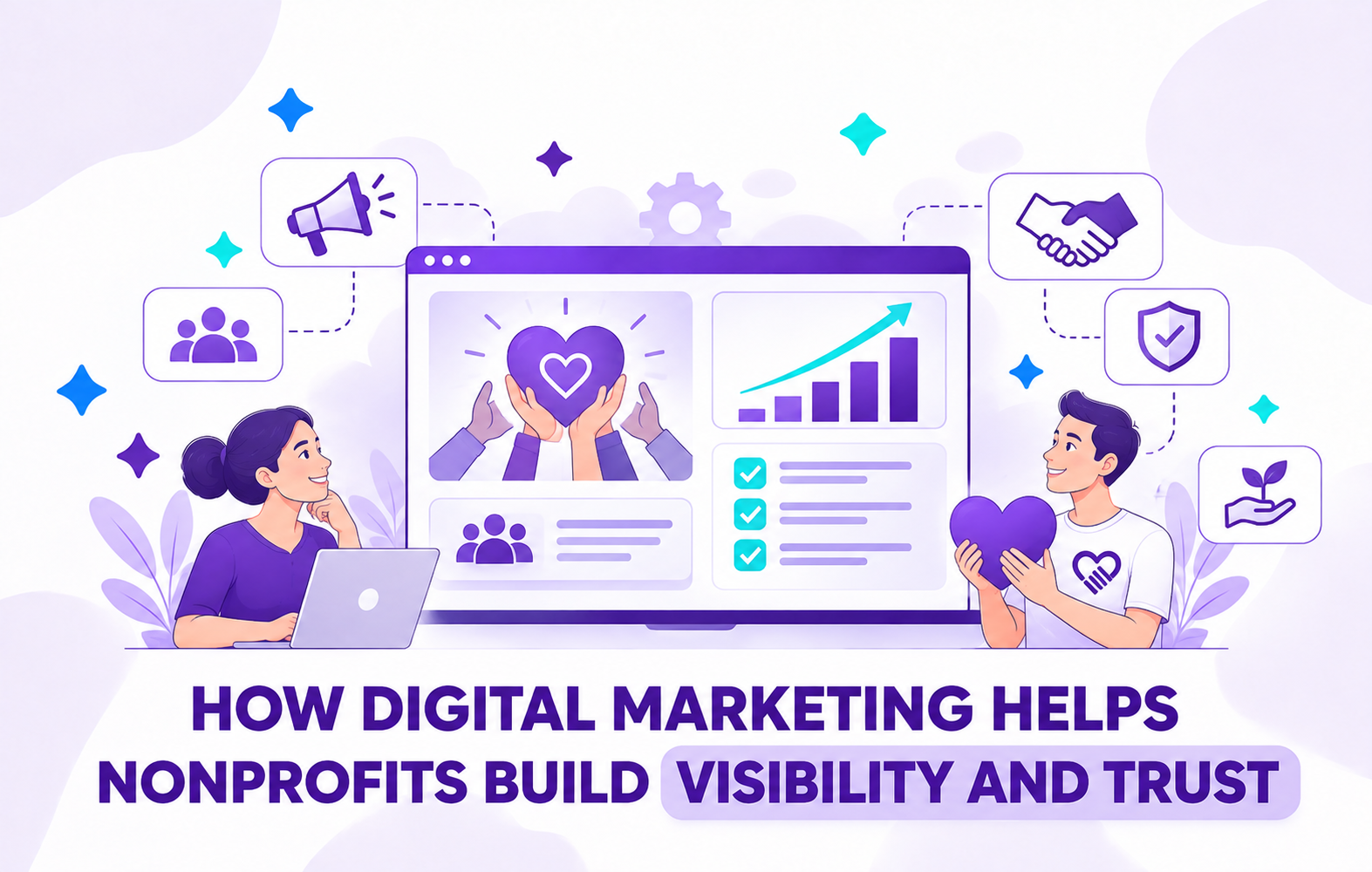
For charities, being visible online is essential to reaching people who may want to donate, volunteer or support a cause. Effective digital marketing for charities helps organizations explain their mission, demonstrate the impact of their work and make it easier for supporters to take the next step.
For eligible nonprofit organizations, there is also another important opportunity: Google Ad Grants. The programme can give charities access to Google Search advertising without requiring the same media budget as standard paid campaigns.
Google Ad Grants for Charities and How Clickmagic Can Help
Google Ad Grants can open an additional channel for charities that want to reach donors, volunteers, partners and people already searching for information connected with their mission.
However, applying for the programme is only the beginning. An organization needs to understand Google’s eligibility requirements, complete the nonprofit registration process, activate the grant correctly and prepare its advertising account for effective use.
At Clickmagic, we support charitable and nonprofit organizations through this process. As a digital marketing agency, we can help assess eligibility, prepare for the application, set up Google Ads, configure conversion tracking and develop a campaign structure that reflects the organization’s real objectives.
The aim is not simply to obtain access to an advertising budget. The grant should become part of a wider digital strategy in which search campaigns, website content, SEO and analytics work together.
This is where charity marketing becomes more than promotion. It helps an organization decide what different audiences need to know, where they should find that information and what action they should be able to take afterwards.
What Are Google Ad Grants?
Google Ad Grants is a Google programme that gives eligible nonprofit organizations access to up to $10,000 USD per month in Google Search advertising.
It is not a cash grant. The budget is provided specifically for eligible Search campaigns and can help nonprofits raise awareness, attract donors, recruit volunteers and promote mission-related projects.
The full $10,000 is not automatically spent every month. Search demand, campaign structure, keyword relevance, bidding, landing-page quality and conversion tracking all influence how effectively the available budget can be used.
That means paid search advertising still requires a clear strategy even when the advertising budget comes from a grant. Campaigns need to reflect genuine search intent and direct people to pages that answer what they are looking for.
Someone searching for volunteer opportunities should reach relevant volunteering information. A potential donor should be able to understand the project, see why support is needed and find the donation process without unnecessary steps.
The advertising account also needs ongoing management. Search terms change, some keywords can attract irrelevant traffic, landing pages may underperform and conversion tracking needs to show which actions actually support the organization’s objectives.
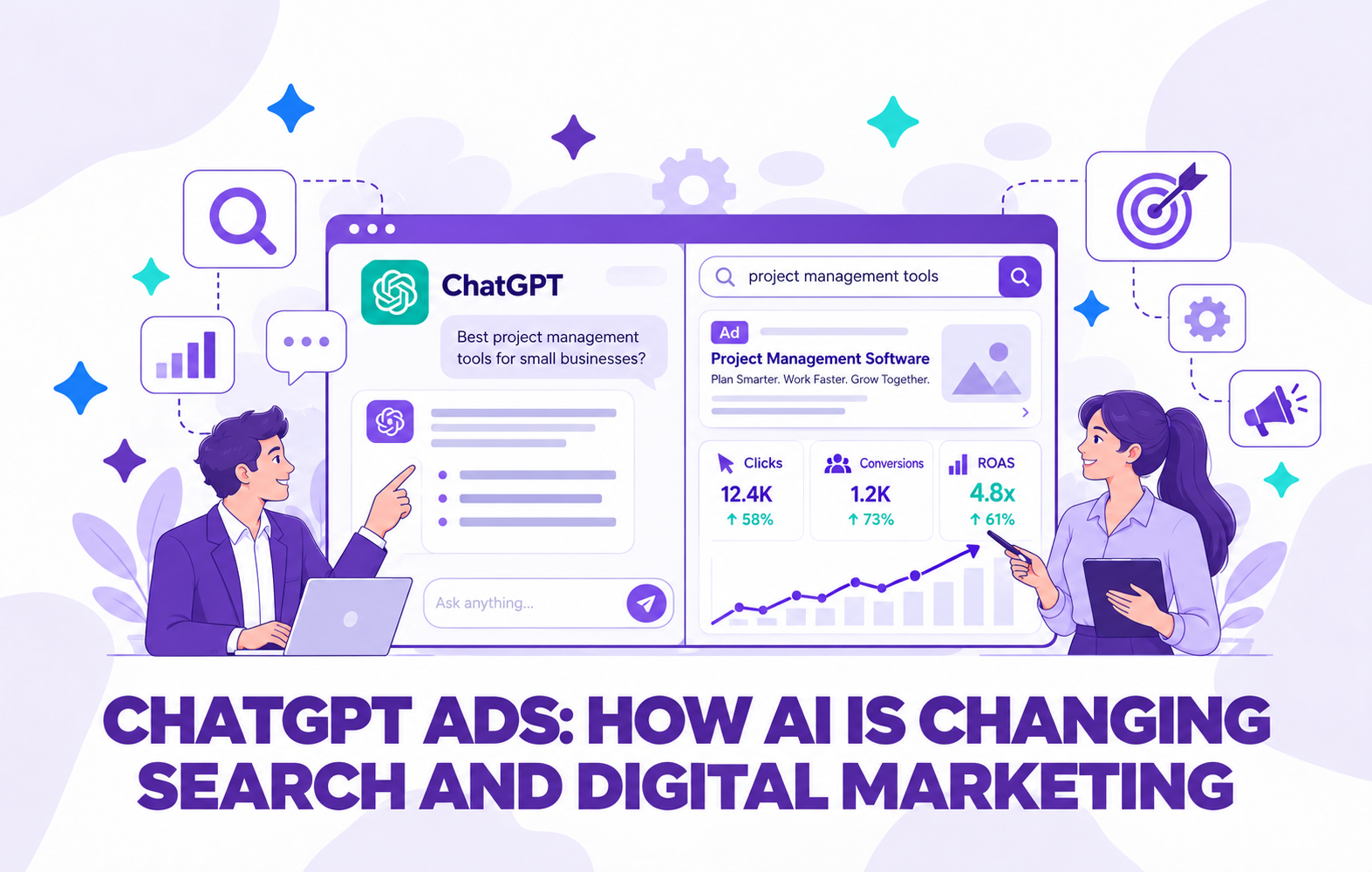
For charities that want to manage paid campaigns effectively, working with an experienced PPC agency can help connect search demand with the right campaigns, landing pages and measurable actions.
The objective is not simply to generate more clicks. It is to use search visibility to reach relevant people and guide them towards a meaningful next step.
A Practical Example
Digital marketing is most useful when it supports real and clearly defined activity. A good example is the Stand with Ukraine Foundation, a nonprofit organization supporting Ukraine and Ukrainians affected by the war.
The organization provides humanitarian assistance, supports refugees and people affected by the war, works with Ukrainian communities in Poland and contributes to stronger ties between Poland and Ukraine.
Its activities also illustrate an important communication challenge for nonprofit organizations. Different audiences may be interested in completely different forms of participation.
One person may want to donate. Another may be looking for volunteering opportunities. A business may be interested in partnership. Someone else may first want to understand which projects are currently active and how previous support has been used.
A strong digital presence helps organize this information around the needs of these different audiences. Instead of asking every visitor to understand the entire organization at once, the website and marketing channels can guide people towards the project, action or information most relevant to them.
For people looking for practical ways to provide help for Ukraine, clearly presenting active projects, current needs and ways to contribute makes it easier to move from general interest to a specific action.
Digital communication does not replace the organization’s work. It makes that work easier to discover, understand and support.
Why Digital Marketing Matters for Charities
For charitable organizations, digital marketing connects the work already being done with people who may want to support it. Visibility is only the first step. An organization also needs to build trust, explain its mission clearly and remove unnecessary barriers between interest and action.
A well-structured digital presence can help charities:
- reach potential donors, volunteers and business partners;
- increase awareness of active projects and current needs;
- build trust through transparent and regularly updated information;
- reach people already searching for ways to support a cause;
- make donation, volunteering and partnership opportunities easier to find;
- understand which marketing channels actually lead to meaningful actions.
These results depend on different digital channels working together rather than operating independently.
Search Can Reach People with Existing Intent
Search is particularly valuable because it can reach people who are already looking for a cause, project, volunteering opportunity or way to donate.
Unlike broader awareness channels, search often captures existing intent.
This makes charity advertising more effective when campaigns are built around specific objectives instead of general promotion. A fundraising campaign may require a different message and landing page from volunteer recruitment, partnership outreach or awareness around a particular initiative.
The same principle applies to Google Ad Grants. The value comes from matching what people are searching for with the most relevant information the organization can provide.
Trust Comes from Evidence
Charitable organizations rarely need stronger promotional claims. They need stronger evidence.
People want to understand what is actually happening before they donate money, volunteer or become involved.
Recent project updates, real photographs, reports, partner information, clear contact details and explanations of how support is used can often build more confidence than highly promotional messaging.
Transparency should therefore be part of digital communication. Showing where support goes, what has already been achieved and what is currently needed helps potential supporters make an informed decision.
SEO Builds Long-Term Visibility
Paid campaigns can create visibility quickly, while SEO helps organizations remain discoverable over a longer period.
Useful nonprofit content often comes directly from the organization’s existing expertise. Teams already know the questions donors ask, the challenges volunteers face, the needs behind individual projects and the different ways people and companies can contribute.
Turning that knowledge into clear website content can help an organization appear when people research a cause before deciding where to give their support.
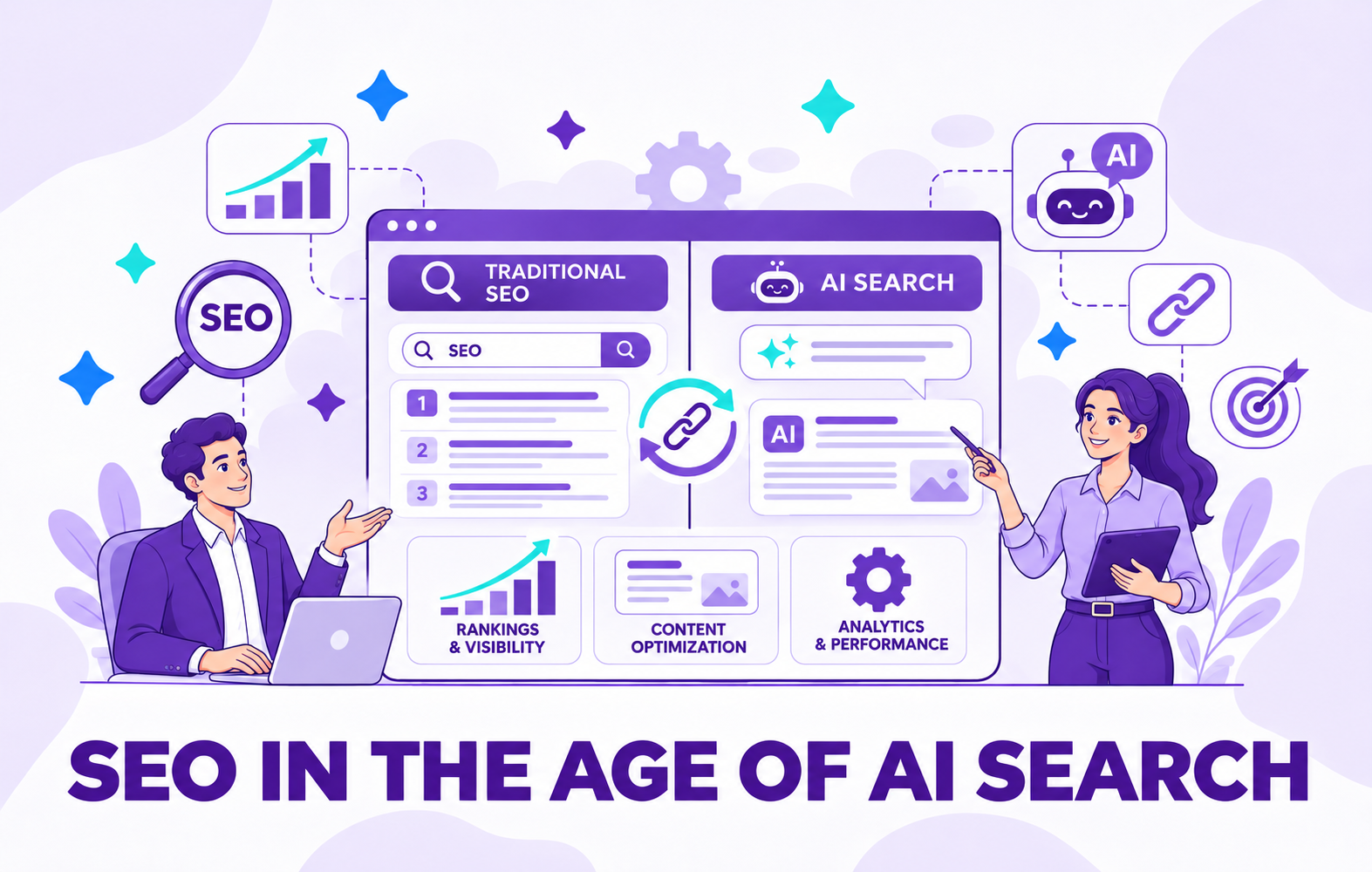
This approach is also useful for AI-driven search. Clear structure, direct answers, defined organizations and trustworthy first-hand information make content easier for search systems to understand and surface.
The Website Turns Interest into Action
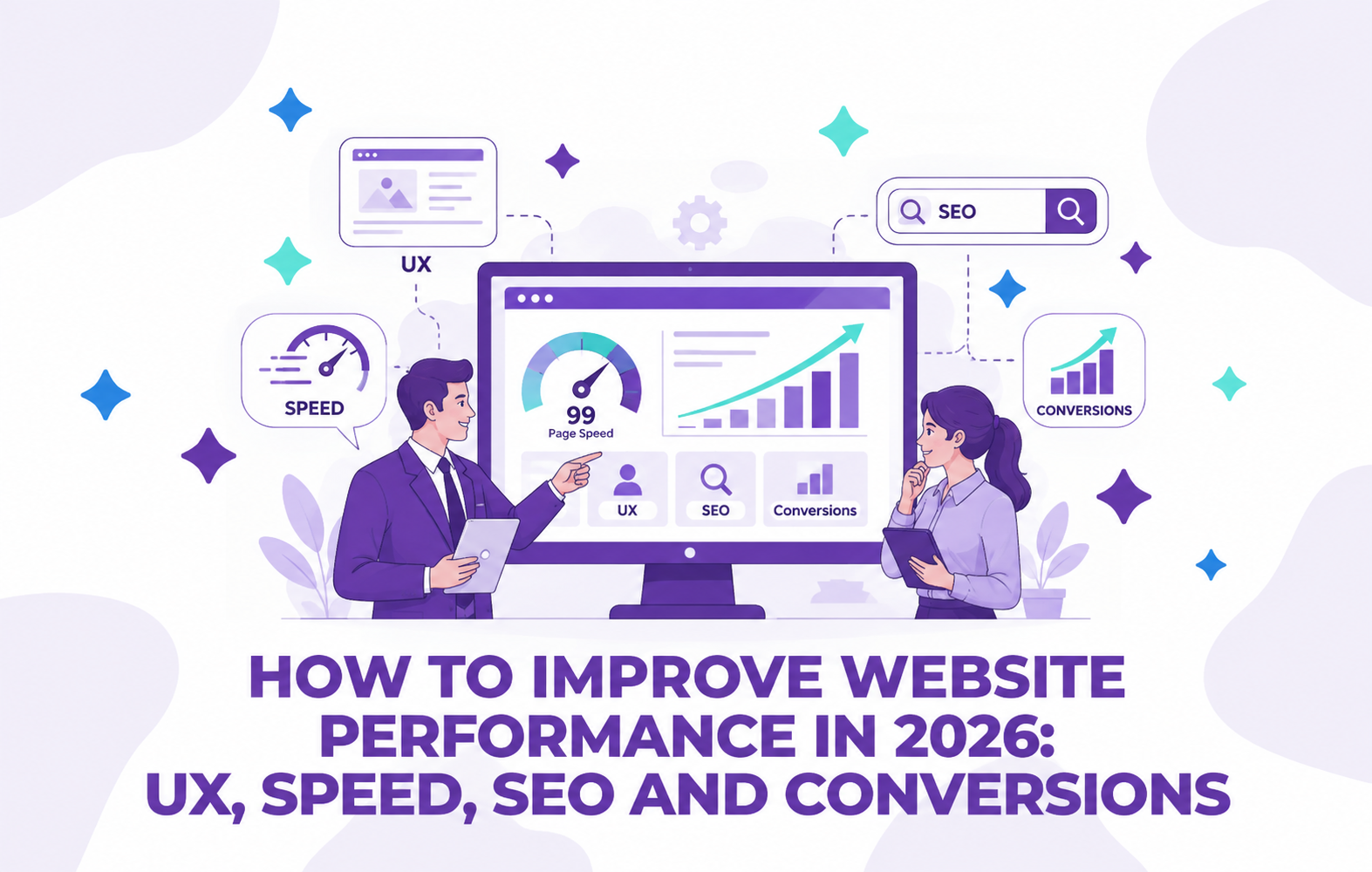
Bringing more people to a charity’s website is only useful if the website helps them understand what to do next.
If project information is outdated, donation forms are difficult to use or important actions are hidden, increasing traffic may simply increase the number of visitors who leave without contributing.
A clear website should explain the mission, show current projects and make donation, volunteering, partnership and contact options easy to find.
Marketing channels can bring people in, but the website has to turn that interest into a meaningful next step.
Marketing Channels Should Work Together
The strongest digital strategy does not treat SEO, paid search, social media, analytics and website content as separate activities.
Paid search can create immediate visibility. SEO can build long-term discovery. Social media can keep supporters informed. Analytics can show which channels lead to meaningful actions. Website improvements can make it easier for people to donate, volunteer or contact the organization.
For charities, the objective is not more marketing for the sake of marketing. It is making valuable work easier to discover, understand and support.
Clickmagic can help charitable and nonprofit organizations connect these areas into one practical strategy, from Google Ad Grants and paid advertising to SEO, analytics and conversion tracking. The mission remains at the centre; digital marketing helps more of the right people find it and act on it.