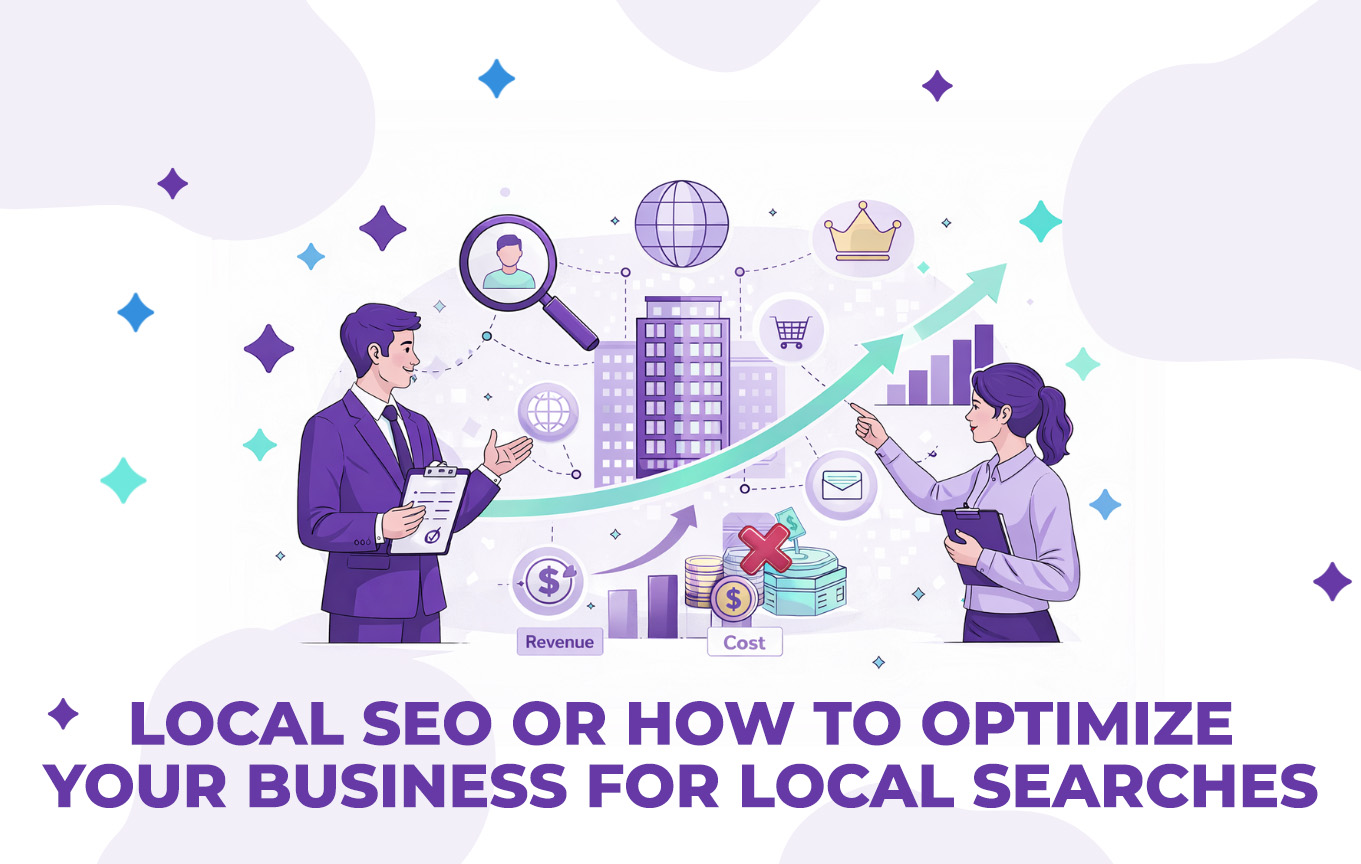
Content strategy is no longer just about publishing articles or targeting keywords. In today’s search environment, platforms like Google rely on understanding entities, context, and relationships between topics. This shift forces businesses to rethink how they build online visibility. Entity Lifting emerges as a strategic approach that helps brands become recognizable, trusted, and contextually relevant within their industry.
What Is Entity Lifting and Why It Matters
Entity Lifting focuses on strengthening a brand as a clearly defined entity within the digital ecosystem. Instead of optimizing isolated pages, businesses create a structured network of content that communicates expertise and relevance. A modern digital marketing agency increasingly adopts this approach to move beyond short-term traffic gains and build long-term authority.
At its core, Entity Lifting connects brand identity, services, and informational content into a unified system. This system typically includes:
- core topic pages that define expertise
- supporting content that expands related questions
- internal links that connect ideas logically
- external mentions that reinforce credibility
When search engines can clearly interpret these relationships, they are more likely to position the brand as a reliable source of information.
The Shift from Keywords to Context
Traditional SEO relied heavily on keyword placement and backlinks. While these elements still matter, they are no longer sufficient on their own. Search engines now evaluate how well a topic is covered, how logically content is structured, and how consistently a brand communicates its expertise.
This is where Entity Lifting directly contributes to business growth. By building a strong semantic presence, companies gain visibility across a wider range of queries, including conversational and AI-driven searches. Instead of chasing rankings, they establish authority that naturally attracts relevant traffic.
How Entity Lifting Works in Practice
To implement this strategy effectively, businesses must rethink how they create and organize content. It is not about producing more pages, but about creating meaningful connections between them. A strong SEO content strategy ensures that each piece of content supports a broader thematic structure.
In practice, this means focusing on:
- covering topics in depth rather than superficially
- aligning content with user intent and search context
- maintaining consistency in terminology and messaging
- structuring pages to support easy navigation and understanding
Content should answer related questions, expand on core topics, and guide users through a logical journey. This interconnected approach signals expertise to search engines and improves user engagement at the same time.
The Role of Authority and Consistency
Entity Lifting also depends on consistency across all digital touchpoints. Every mention of the brand, whether on the website or external platforms, contributes to its perceived authority. A professional SEO agency understands the importance of maintaining a unified message and aligning all content with the brand’s core positioning.
When consistency is achieved, search engines can more easily validate the entity and associate it with specific topics. This leads to stronger rankings, better visibility in AI-generated answers, and increased trust from users.
Measuring the Impact of Entity Lifting
Unlike traditional SEO, where success is often tied to rankings alone, Entity Lifting requires a broader perspective. Businesses need to evaluate performance through a combination of indicators that reflect visibility, engagement, and authority. This is where SEO performance metrics become essential.
These metrics help track not only traffic, but also how effectively a brand is understood and trusted within its niche, providing a more realistic view of long-term growth potential.
Conclusion
Entity Lifting represents a fundamental shift in how businesses approach digital marketing. Instead of focusing on isolated tactics, it encourages a structured, long-term strategy built on meaning and relationships.
In a search landscape driven by AI and semantic understanding, brands that invest in this approach gain a significant advantage. By strengthening their presence as entities rather than just websites, they create a sustainable path toward growth, visibility, and lasting competitive strength.