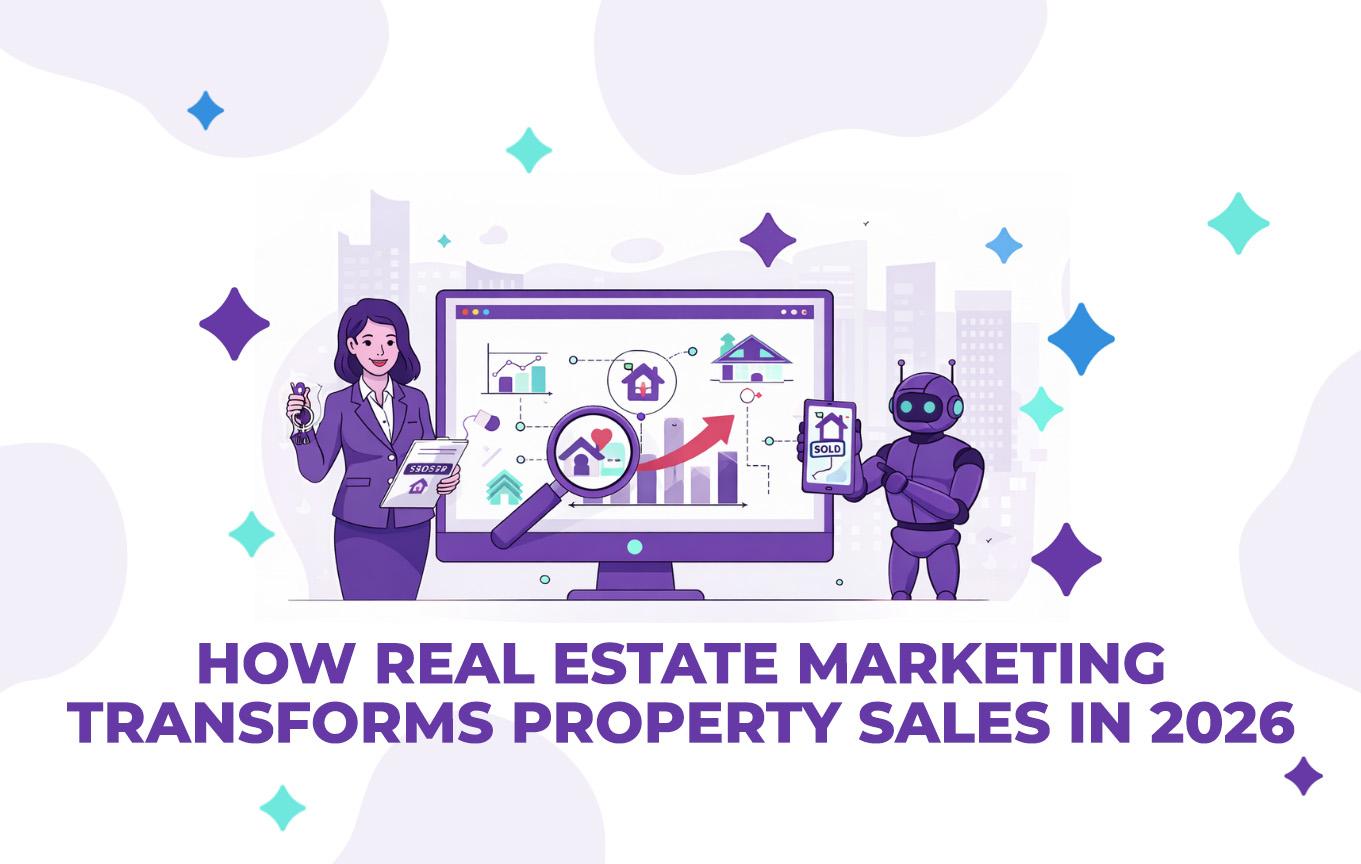
Real estate lead generation is becoming a central focus for property businesses in 2026, reshaping how buyers and sellers connect. Instead of relying on broad outreach, companies prioritize attracting high-intent audiences through digital channels. Modern customers begin their journey online and expect instant access to detailed, transparent information, making data-driven strategies essential for building trust and generating demand.
Changing Buyer Behavior
Today’s buyer is more informed and independent than ever before. A real estate agency can no longer rely solely on listings or personal networks to generate interest. Instead, users explore multiple platforms, compare options, and evaluate market trends before making contact. This shift means that first impressions are formed long before a conversation with an agent takes place.
Modern consumers expect high-quality visuals, clear pricing, and contextual insights about neighborhoods. If this information is not available, they quickly move to competitors who provide a better digital experience.
The Role of Data in Sales Growth
In 2026, successful companies focus heavily on measurable performance. Real estate lead generation is no longer about quantity but about attracting the right audience at the right time. Data analytics helps identify which channels drive meaningful engagement and which ones produce low-value traffic.
By analyzing user behavior, businesses can refine targeting, adjust messaging, and improve conversion rates. This data-driven approach allows for smarter budget allocation and more predictable sales outcomes.
Strategic Marketing Approach
Working with a digital marketing agency gives real estate companies access to expertise in campaign optimization, audience segmentation, and cross-channel communication. Instead of fragmented efforts, marketing becomes a structured system designed to guide potential buyers through every stage of the decision-making process.
This includes aligning paid advertising, content creation, and user experience into one cohesive strategy. As a result, brands can build stronger recognition and maintain consistent engagement with their audience.
SEO as a Long-Term Asset
Search visibility remains one of the most powerful tools in the industry. SEO for real estate enables companies to attract consistent traffic without relying entirely on paid campaigns. Optimized content, technical performance, and authority signals all contribute to higher rankings and increased credibility.
In a competitive market, appearing in search results at the right moment can significantly impact the number of inquiries and overall sales performance.
Automation and Scalable Growth
Automation is transforming how marketing operations are managed. Digital marketing for real estate now includes automated campaigns, personalized content delivery, and continuous optimization based on real-time data. This allows businesses to scale their efforts without proportionally increasing resources.
Key tools that drive results in 2026 include:
- CRM systems for managing leads and client interactions
- data analytics platforms for performance tracking
- automated advertising campaigns and remarketing
- content personalization technologies
- AI-driven recommendations and targeting systems
Technologies such as remarketing, AI-driven recommendations, and behavioral targeting help maintain engagement with potential buyers across multiple touchpoints, ensuring that no opportunity is lost.
Conclusion
The real estate industry in 2026 is defined by speed, data, and digital presence. Companies that embrace advanced marketing strategies gain a clear advantage in attracting and converting clients. By combining analytics, SEO, automation, and user-focused content, businesses can build sustainable growth and remain competitive in an increasingly digital landscape.
FAQ
How clients search for real estate
Users analyze listings through search engines, maps, and specialized platforms, paying attention to pricing, location, and the seller’s reputation.
Why analytics matters
Analytics helps identify effective channels, improve targeting accuracy, and increase conversion rates without increasing the budget.
How modern marketing works
Marketing works as a system where each channel complements another, creating a unified user journey from search to purchase.
Which tools work best
The most effective tools include CRM systems, analytics, automated advertising campaigns, and content personalization solutions.
Which channels perform best
The most effective channels are search results, video platforms, and social media with precise targeting.