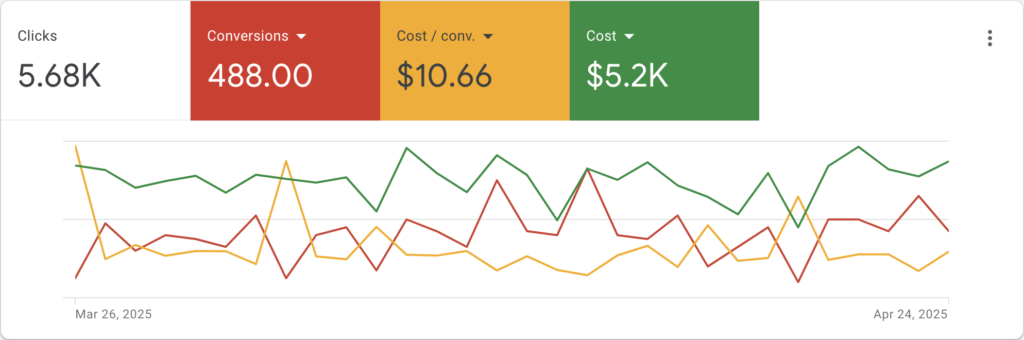
Conversion rate is often the first metric businesses check when they want to understand whether marketing is working. It looks simple, measurable, and easy to compare across channels. Yet on its own, it rarely tells the full story. A campaign can convert well and still bring weak commercial results if the leads are cheap but unqualified, or if the path from inquiry to sale is inconsistent.
Why surface metrics can mislead
Many companies expect quick clarity from every report, especially when they work with a digital marketing agency and want direct answers about performance. The problem is that lead generation and customer acquisition are not identical goals. One focuses on contact volume, while the other reflects actual business growth. When these goals are mixed together, reporting becomes confusing and decisions lose precision.
A healthy marketing evaluation usually includes several layers:
- traffic quality
- landing page relevance
- lead qualification
- sales efficiency
- long-term customer value
The real role of acquisition economics
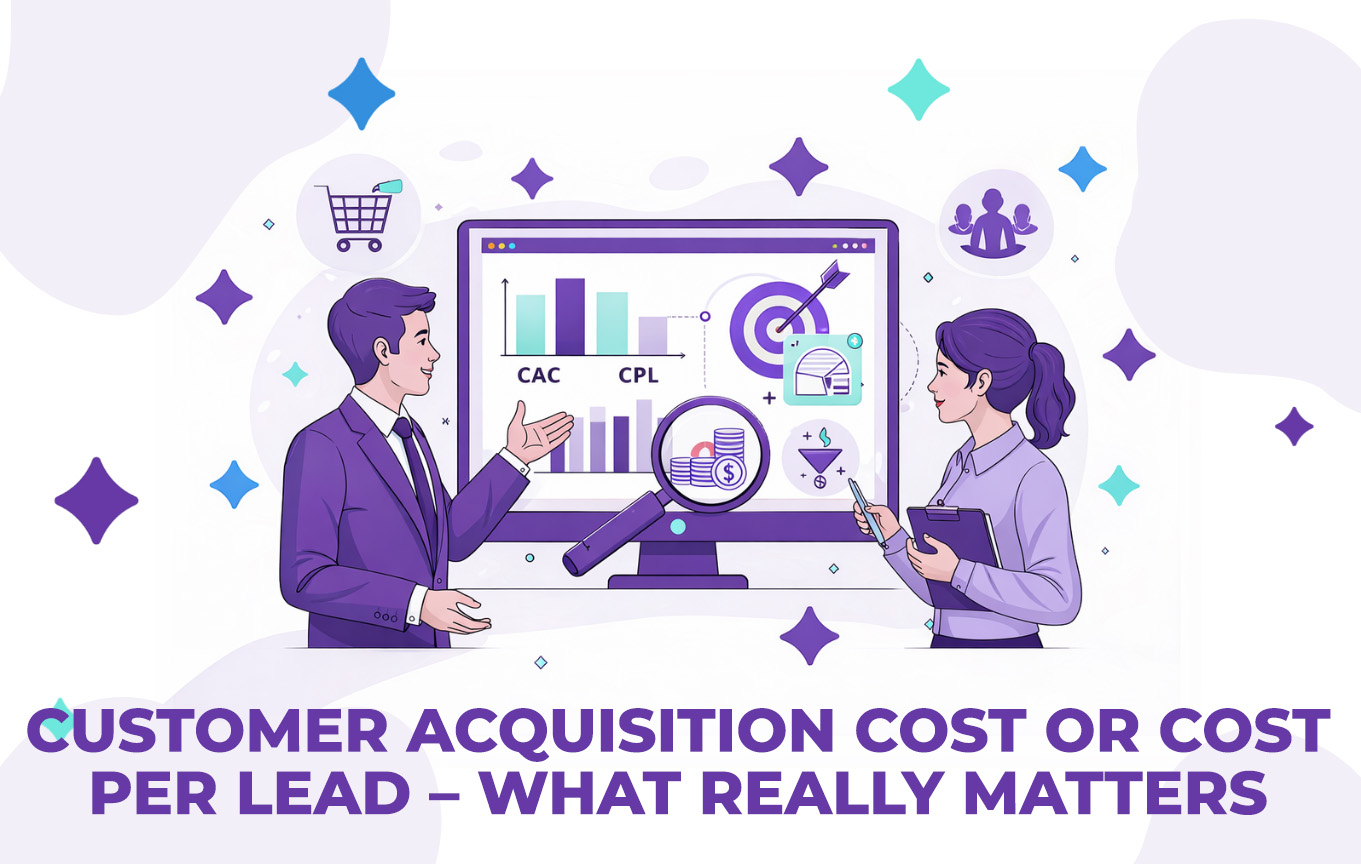
That is why customer acquisition cost deserves more attention than many businesses give it. This metric shows how much money a company spends to win one actual paying customer, not just collect a form submission or call request. It connects marketing performance with revenue reality. If this number is ignored, brands may celebrate activity while missing the fact that growth is becoming more expensive over time.
When lead metrics are still useful
At the same time, no strong customer acquisition strategy should dismiss lead metrics completely. In many industries, especially services, education, healthcare, or B2B, the sale happens later through consultation, follow-up, and trust-building. In such cases, leads are part of the funnel, not the final result. The key is to understand where the lead sits in the journey and how often it becomes real income.
Looking beyond simple reporting
This is where Clickmagic often sees businesses make the same mistake. They compare campaign costs only at the lead stage and assume lower numbers automatically mean better marketing. In reality, one source may bring cheaper leads but poor closing rates, while another delivers fewer contacts that convert into long-term clients. Without full-funnel analysis, lower cost does not always mean higher efficiency.
Cost efficiency must reflect real buyers
A more practical way to evaluate performance is to compare cost per customer across channels, campaigns, and audience segments. This approach shifts attention from quantity to quality. It also helps reveal which messages, platforms, or offers attract people who are ready to buy rather than just curious to learn more. For business owners, this metric creates a closer link between ad spend and actual commercial value.
To make that analysis more accurate, businesses should review:
- how many leads become qualified opportunities
- how many opportunities become paying clients
- how much time the sales process takes
- which channels bring repeat buyers
- which campaigns attract low-intent inquiries
When lead cost becomes the wrong priority
That does not mean cost per lead is useless. It can be a strong operational metric when used in the right context. It helps monitor campaign efficiency, landing page relevance, and audience response. However, problems begin when businesses treat it as the ultimate benchmark. A low lead cost may look impressive in a dashboard, but it becomes dangerous when those leads rarely convert, delay sales, or overload the team with low-intent inquiries.
What businesses should actually measure
The most reliable approach is not to choose one metric blindly, but to connect them properly. Lead cost helps evaluate early-stage efficiency. Acquisition cost helps judge business impact. Conversion quality, sales cycle length, close rate, and customer value add the context that numbers alone cannot provide. When these elements are reviewed together, marketing decisions become less reactive and much more profitable.
Conclusion
Customer Acquisition Cost and Cost per Lead answer different questions, so they should never be treated as interchangeable. If the goal is to understand marketing activity, lead metrics matter. If the goal is to understand sustainable growth, customer-level economics matter more. Businesses that separate these roles clearly can invest with greater confidence, improve reporting accuracy, and build a marketing system that supports revenue instead of just generating numbers.